Clock Tower House
New Build House near in Central London
- Location: Southwark, London
- Status: Planning granted
- Client: Private
- Structural Engineer: Structure Workshop
- Services Engineer: Synergy
- Fire Engineer: MU.Studio
- Cost Consultant: Stockdale L-LP
- Planning Consultant: hgh consulting
- Project Team: Percy Weston, Tom Surman, Cecelia Vincent
Urban Infill Site in Central London
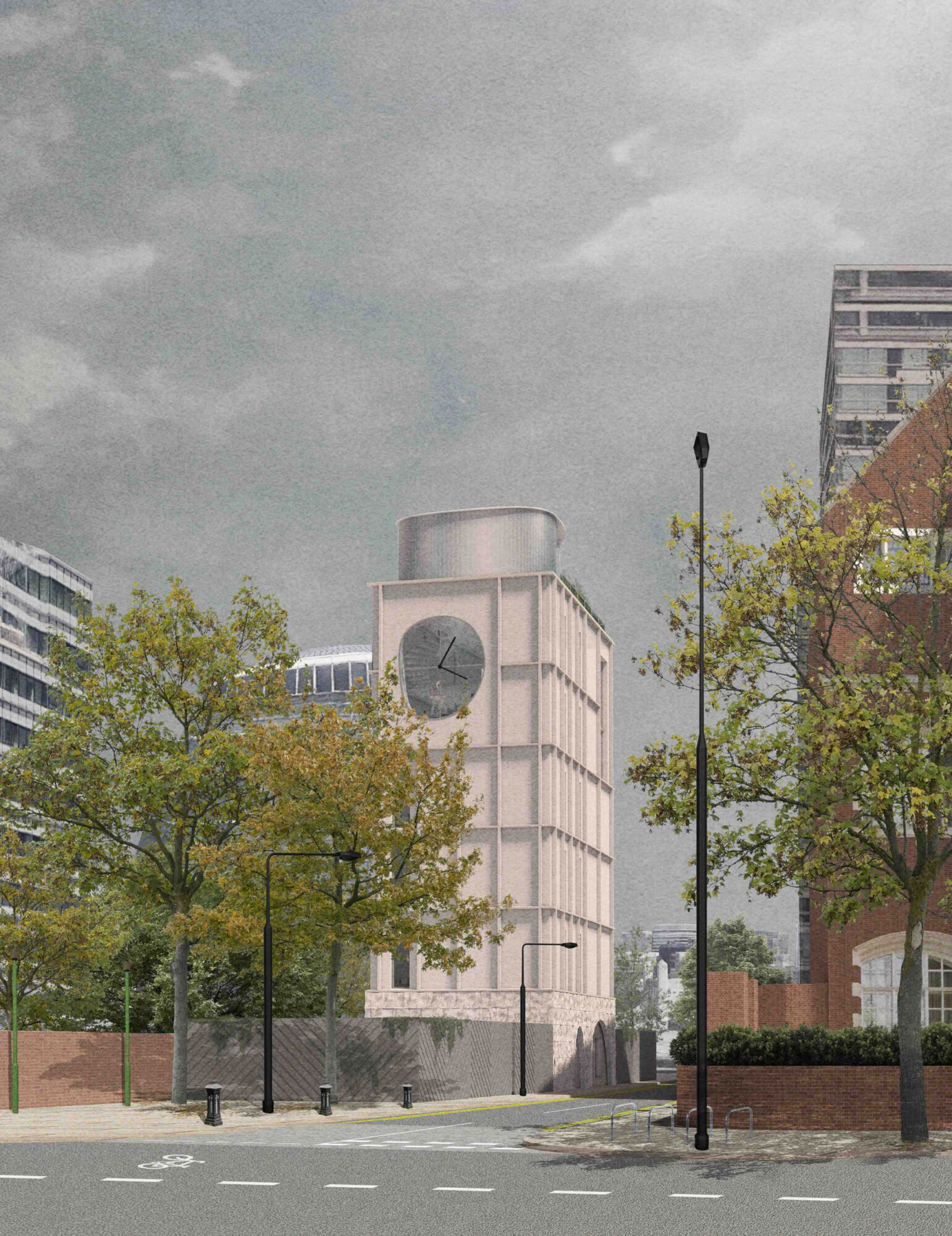
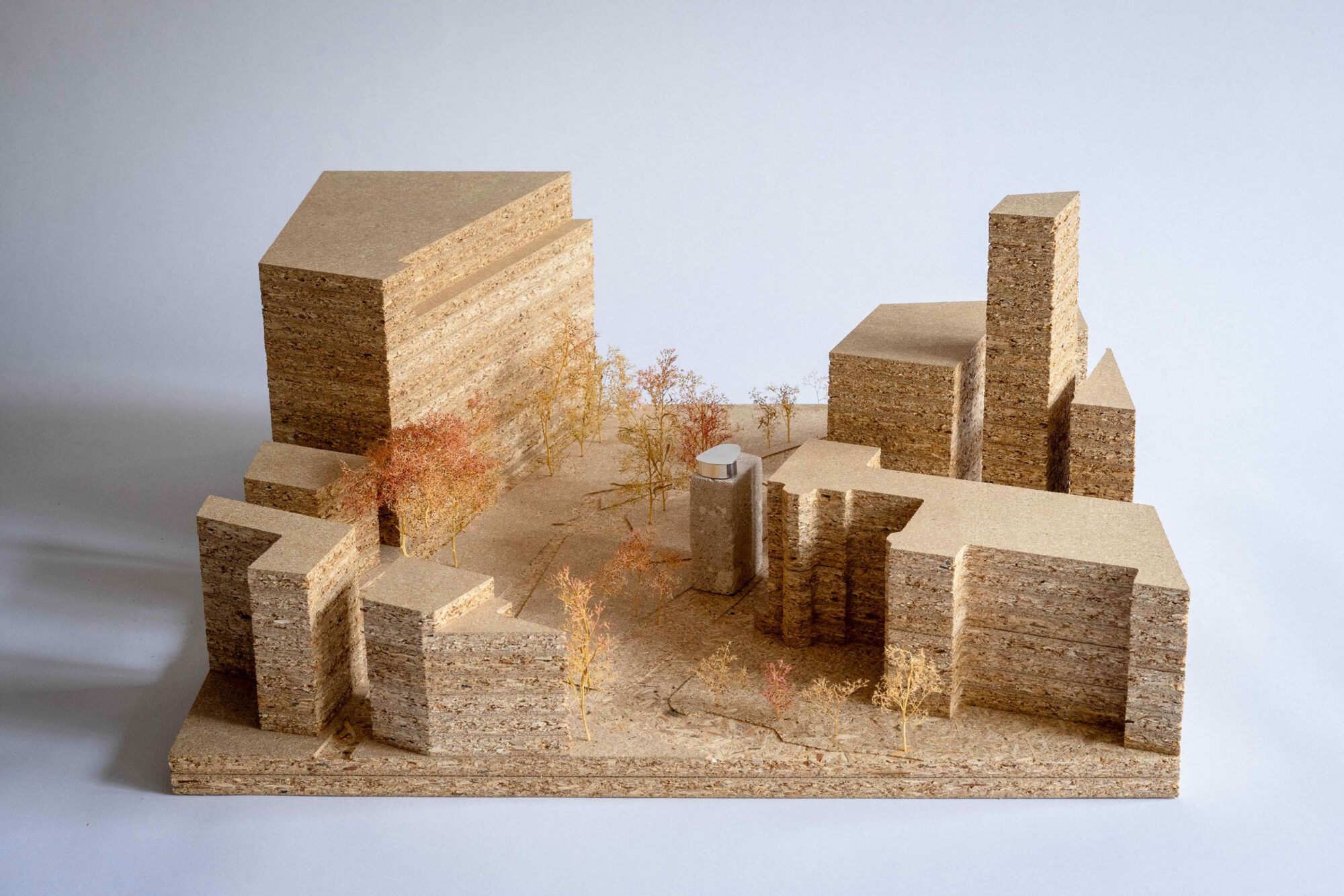
Surman Weston achieved planning permission for a new build house on an extraordinary site in central London. The compact 80m² plot sits on the edge of a public park, close to Tower Bridge and the former City Hall. Rising six storeys and occupying the full footprint of the site, the vertical home culminates in a rooftop terrace with panoramic views across the River Thames and the City of London skyline.
Responding to a Historic and Contemporary Context
The design responds to its remarkable surroundings, drawing on the diverse architectural language and rich history of the area. To the east lie the brick warehouses of Shad Thames; to the north, the stone-built icons of Tower Bridge and the Tower of London; and to the west, the contemporary glass and metal facades of the More London development. These influences are reflected in a material palette of brick, stone and glazing.
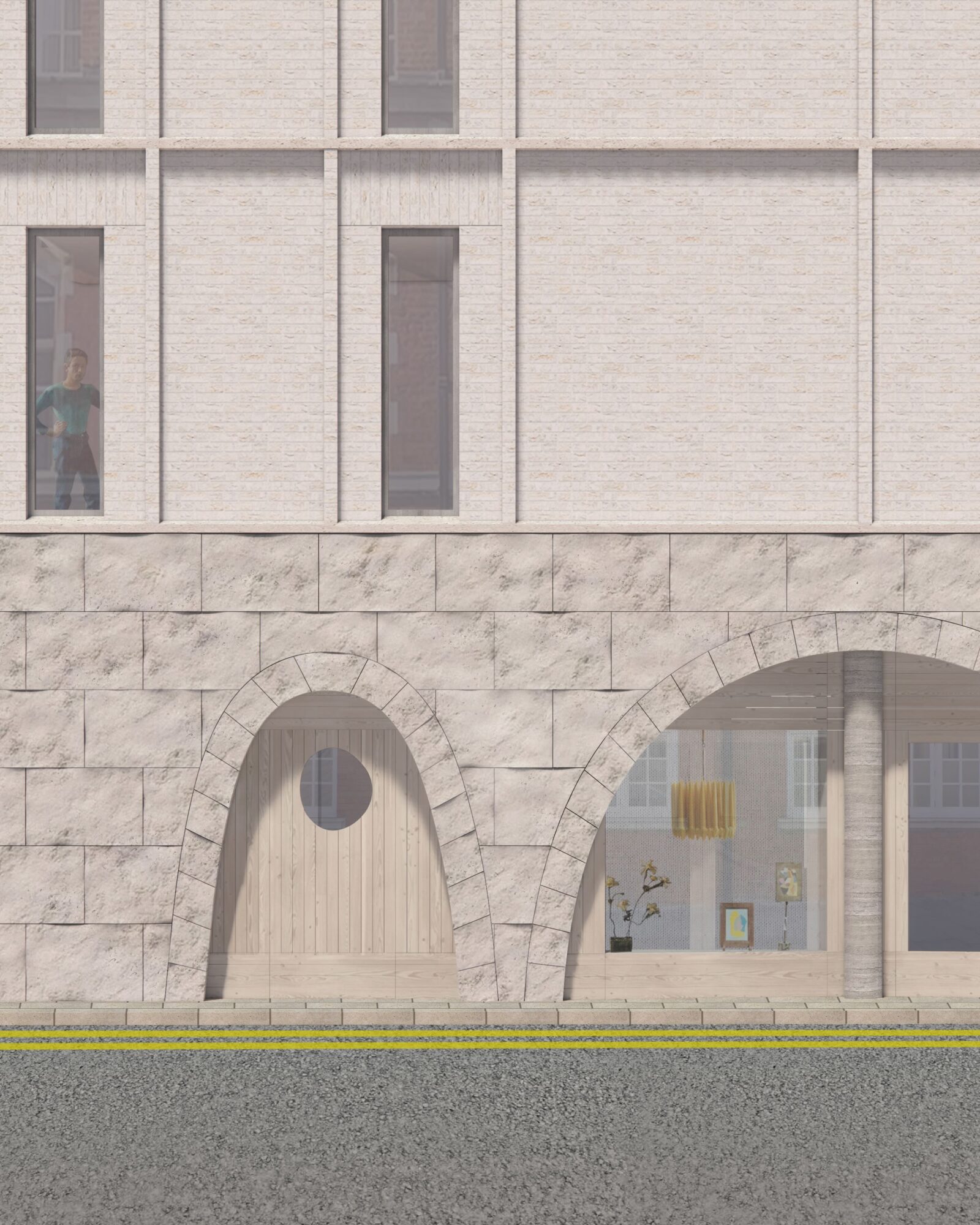
Set within a park and exposed on all sides, the building adopts a civic presence, with clock tower–like proportions and a double-height glazed clock face. At ground level, a vitrine provides space for artwork, contributing to the activation of the street-facing façade.
Material Expression and Façade Composition
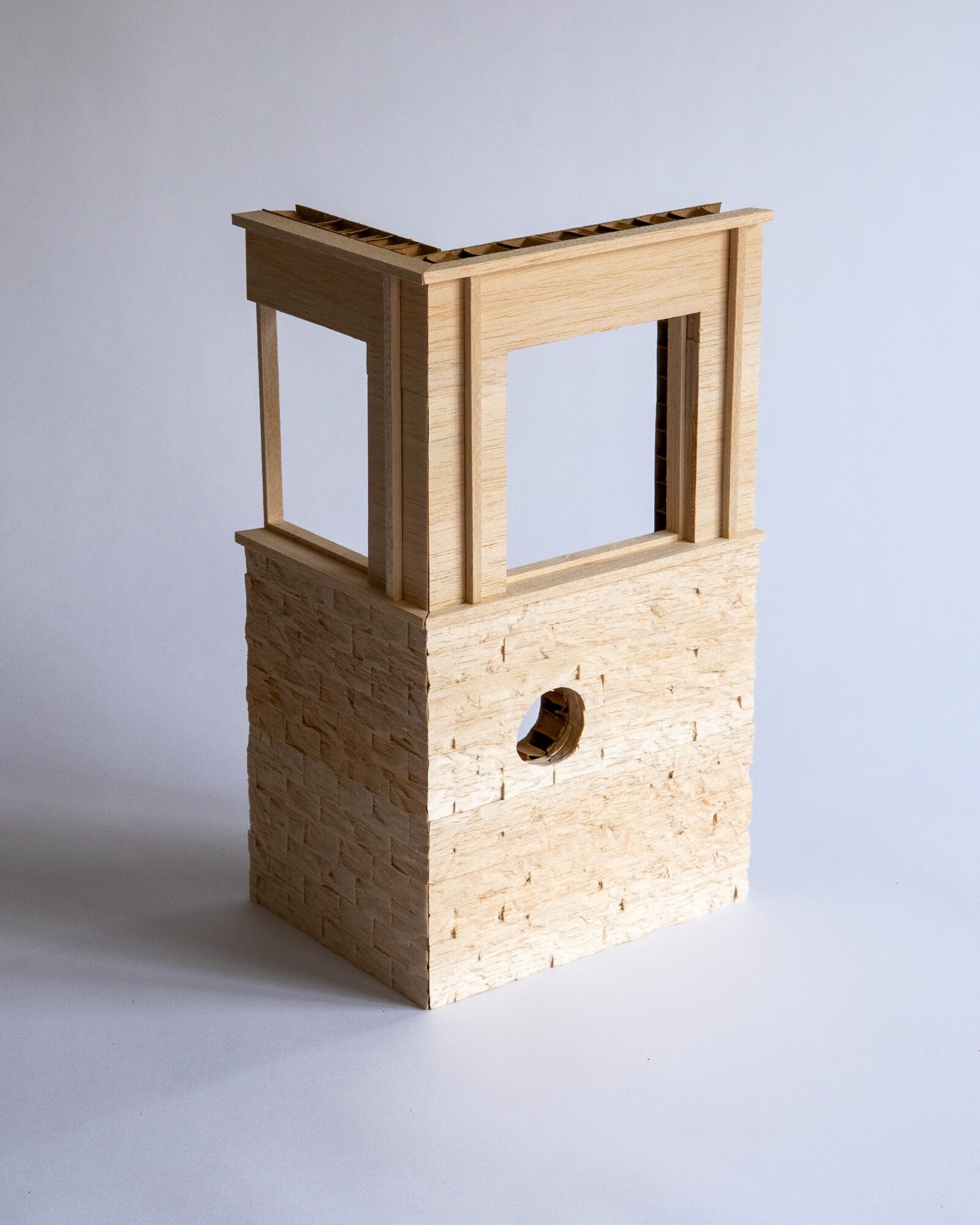
At ground level, the building rests on a base of large, split-faced stone blocks. This heavyweight plinth is punctured by amorphous window openings and arched entrance doors. Above, the facade transitions to Portland stone brickwork, with projecting vertical fins and horizontal string courses introducing rhythm, depth and detail.
The use of a modular brick language references the Victorian warehouses of Shad Thames, while the singular expression of stone responds to the building’s landmark neighbours.
Rooftop Pavilion and Terrace
Crowning the building is a lightweight, aluminium-clad rooftop pavilion. Set back from the edge, its amorphous form provides a sculptural contrast to the stone mass below. A slender oversailing roof shelters the home’s only outdoor space — a roof terrace with expansive views across London.
Vertical Living and Internal Organisation
Internally, the compact plan is arranged to maximise light, views and usable space. Circulation is positioned to the south, allowing living spaces to benefit from views to the north and west. Bedrooms and workspace occupy the lower levels, while kitchen, dining and living areas are located above.
A double-height dining space links the upper floors, with expansive glazing framing views of the London skyline.
Low-Carbon Structure and Environmental Strategy
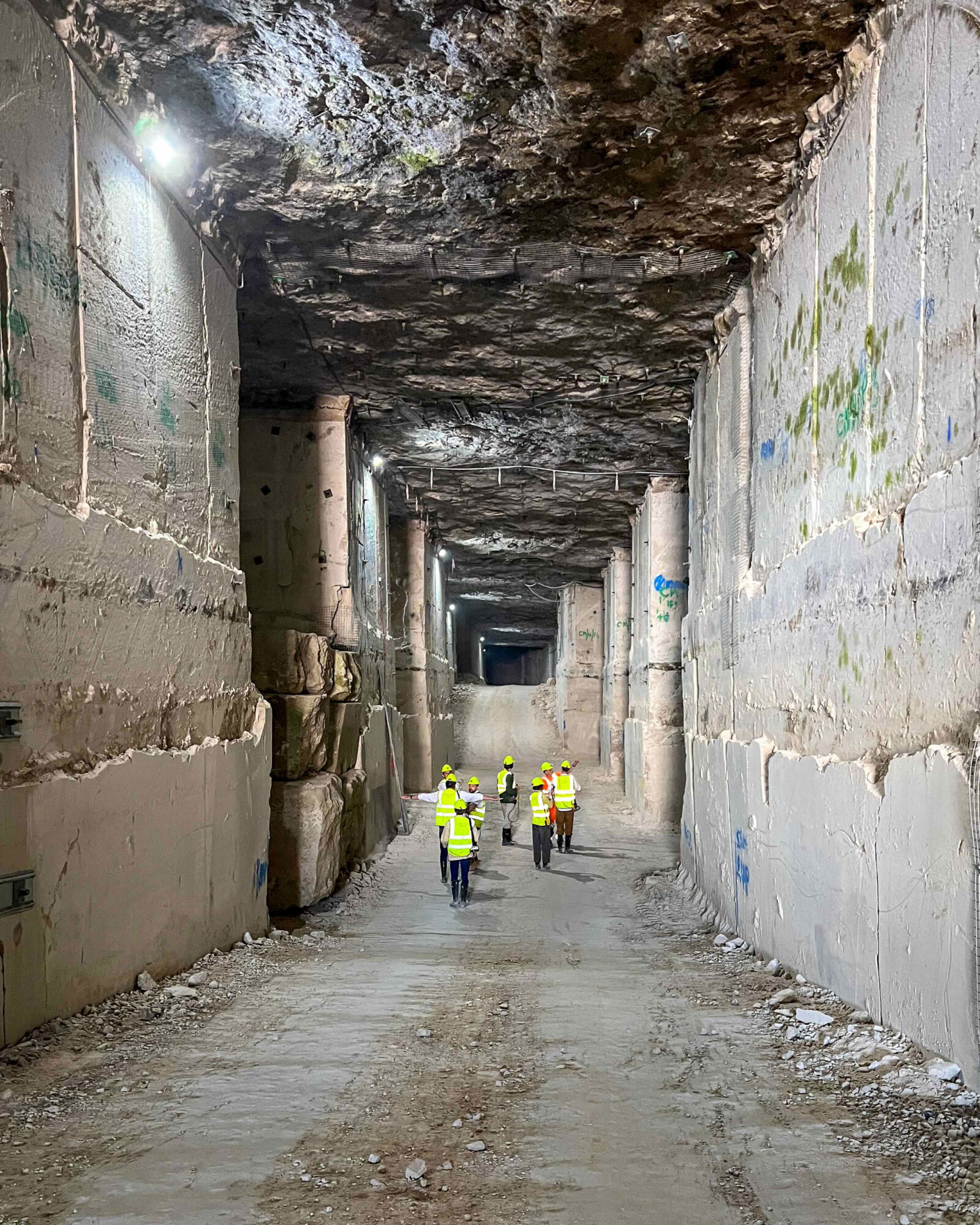
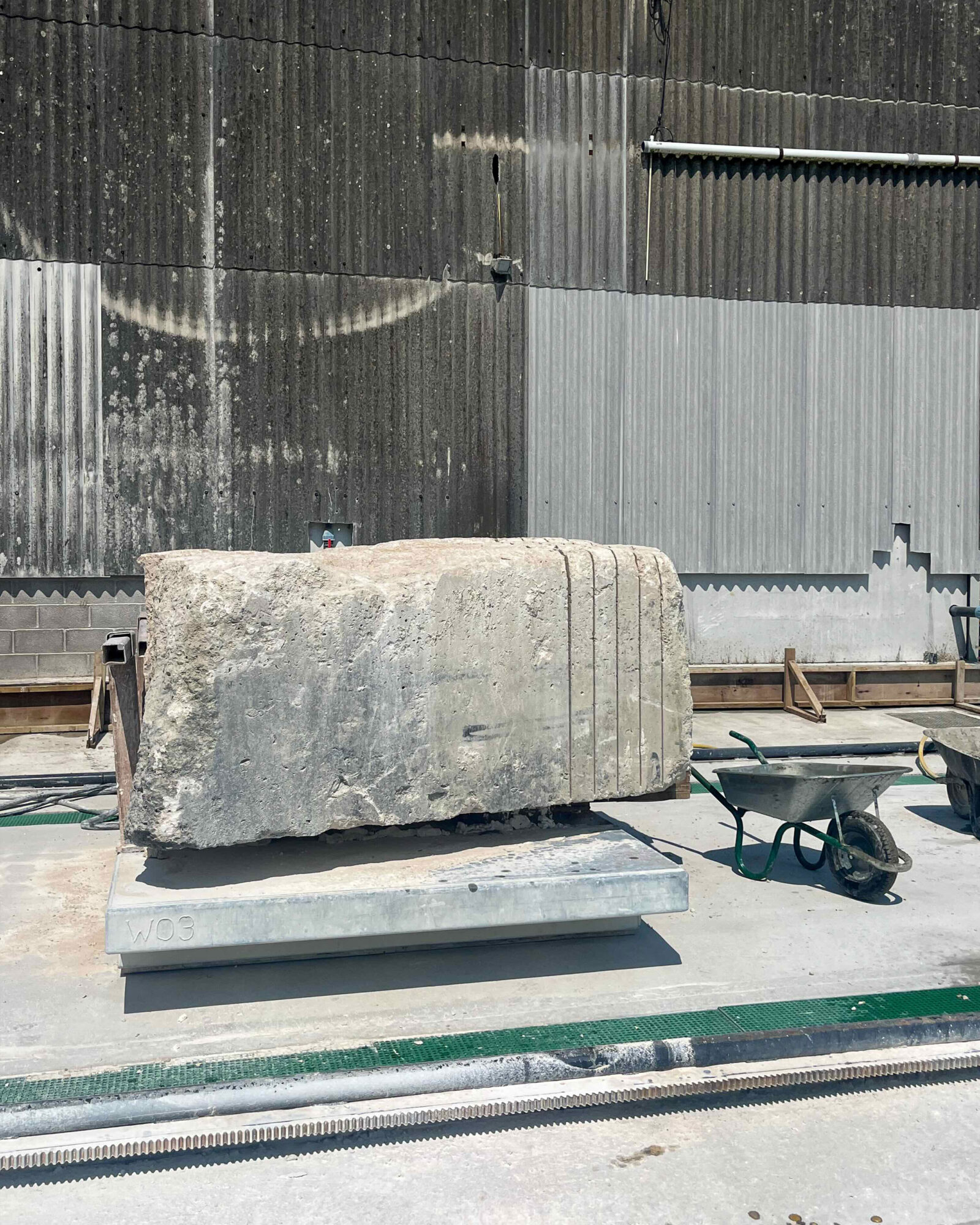
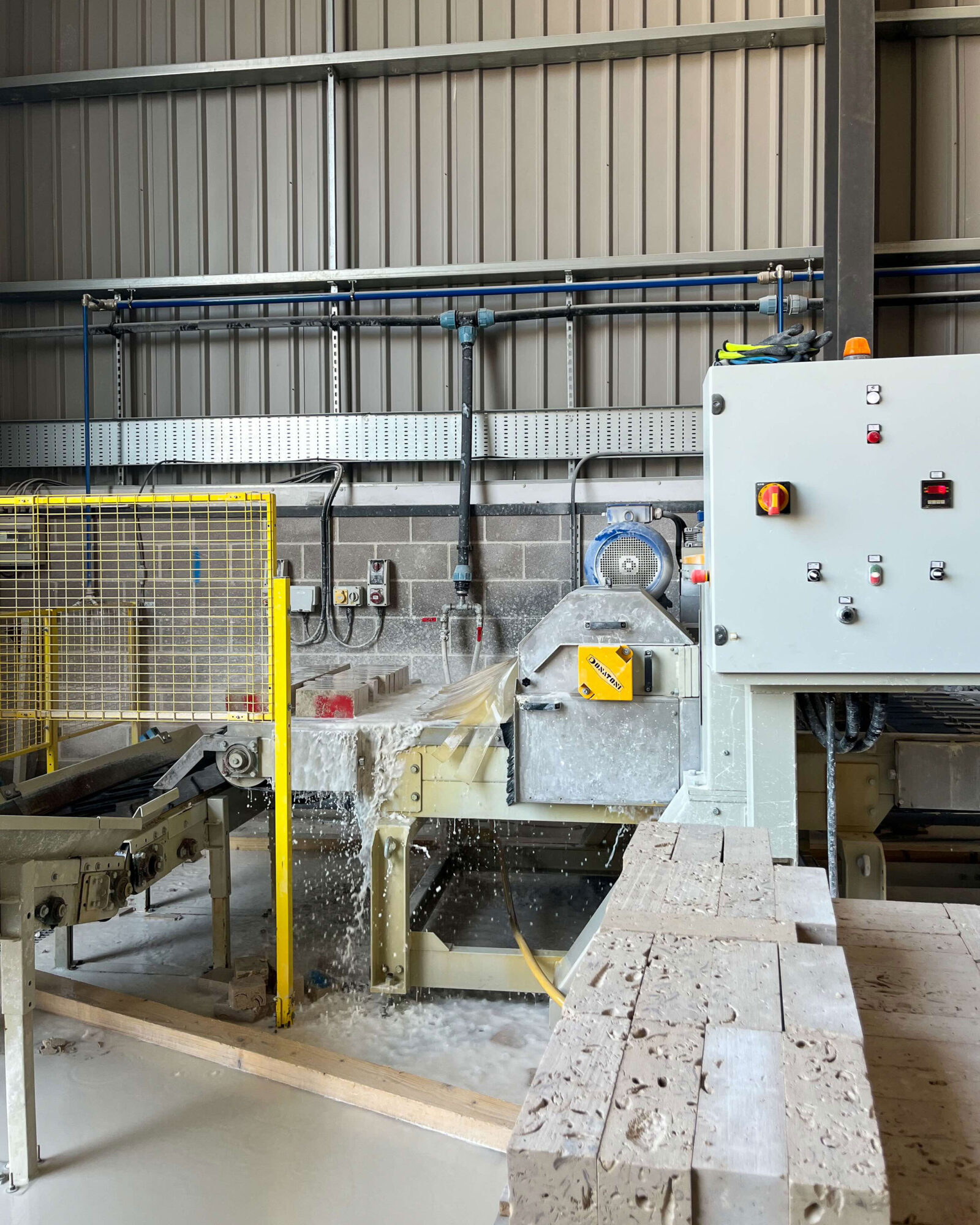
From the outset, the proposals have been guided by both established and innovative sustainability principles. Portland stone bricks — generating a fraction of the embodied carbon of traditional clay-fired bricks — reduce material impact.
The structural frame uses a calcined clay concrete mix with significantly reduced cement content, forming one of the first reinforced concrete frames in the UK to adopt this low-carbon approach. A super-insulated envelope, air source heat pump and rooftop photovoltaics support low operational energy use, with the house targeting an EPC A rating.