
Peckham House
Peckham House – Contemporary Infill New Build in South London
- Location: Peckham, London
- Status: Completed 2022
- Client: Private
- Structural Engineer: Structure Workshop
- Services Engineer: Peter Deer and Associates
- Joinery sub-contractors: Tim Gaudin & Alex Boyd
- Photography: Jim Stephenson and Percy Weston
- Planting Design: Lidia D’Agostino
- Project Team: Percy Weston, Tom Surman, Hilton Murrell
Infill New Build in Peckham
Peckham House is a contemporary infill new build in South London, designed and delivered by Surman Weston on a constrained corner plot. The project, the practice’s first self-build, demonstrates an approach to new housing in the city that combines careful urban response with robust materials, crafted detailing and a low-carbon, high-performance envelope.
Awards and Recognition
Winner of the Manser Medal – AJ House of the Year 2024, the house was described by judges as a ‘pure passion’ project, praised at all scales, from being ‘brilliantly contextual’ to exhibiting ‘superb detailing and craftsmanship’.
Form and Urban Response
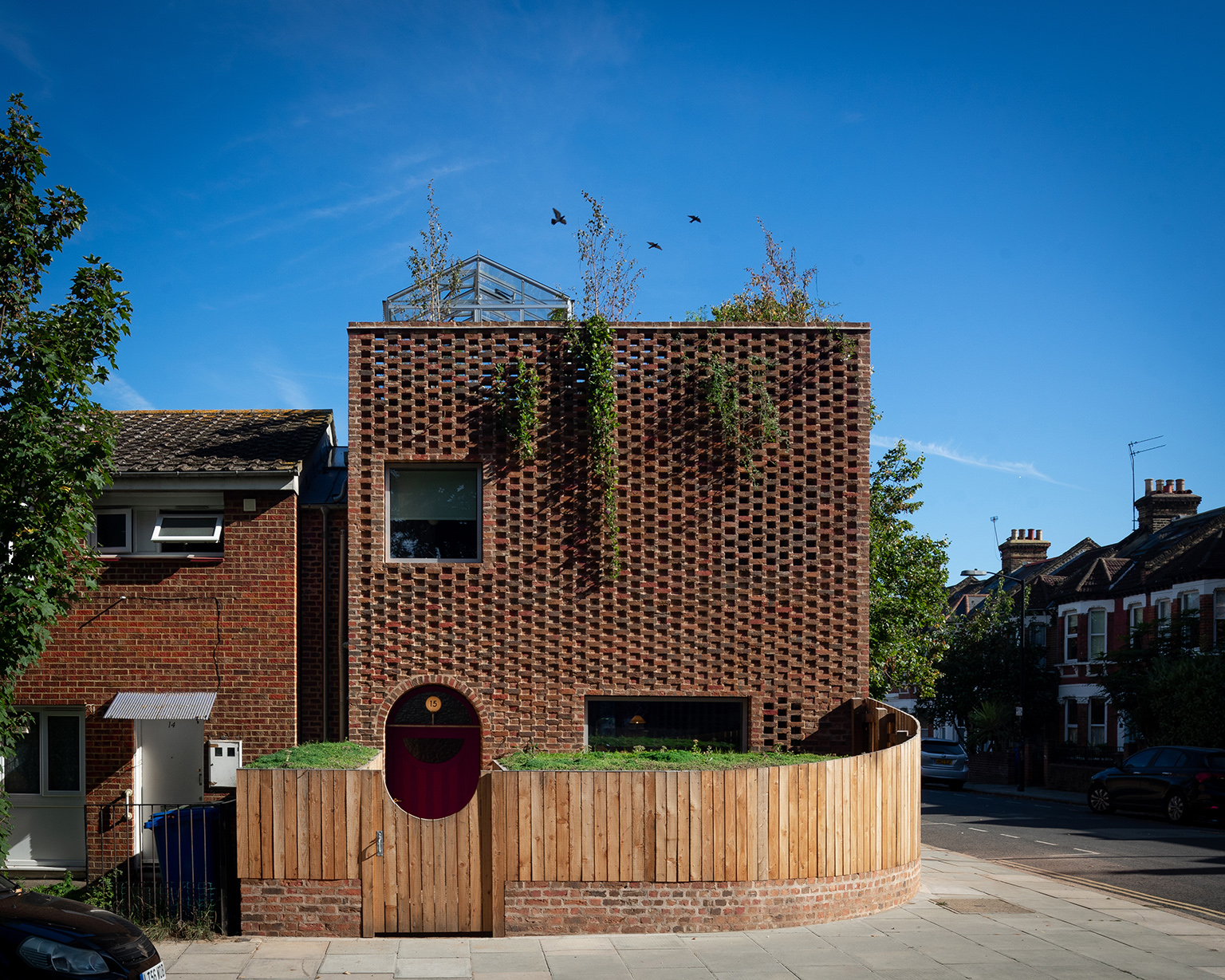
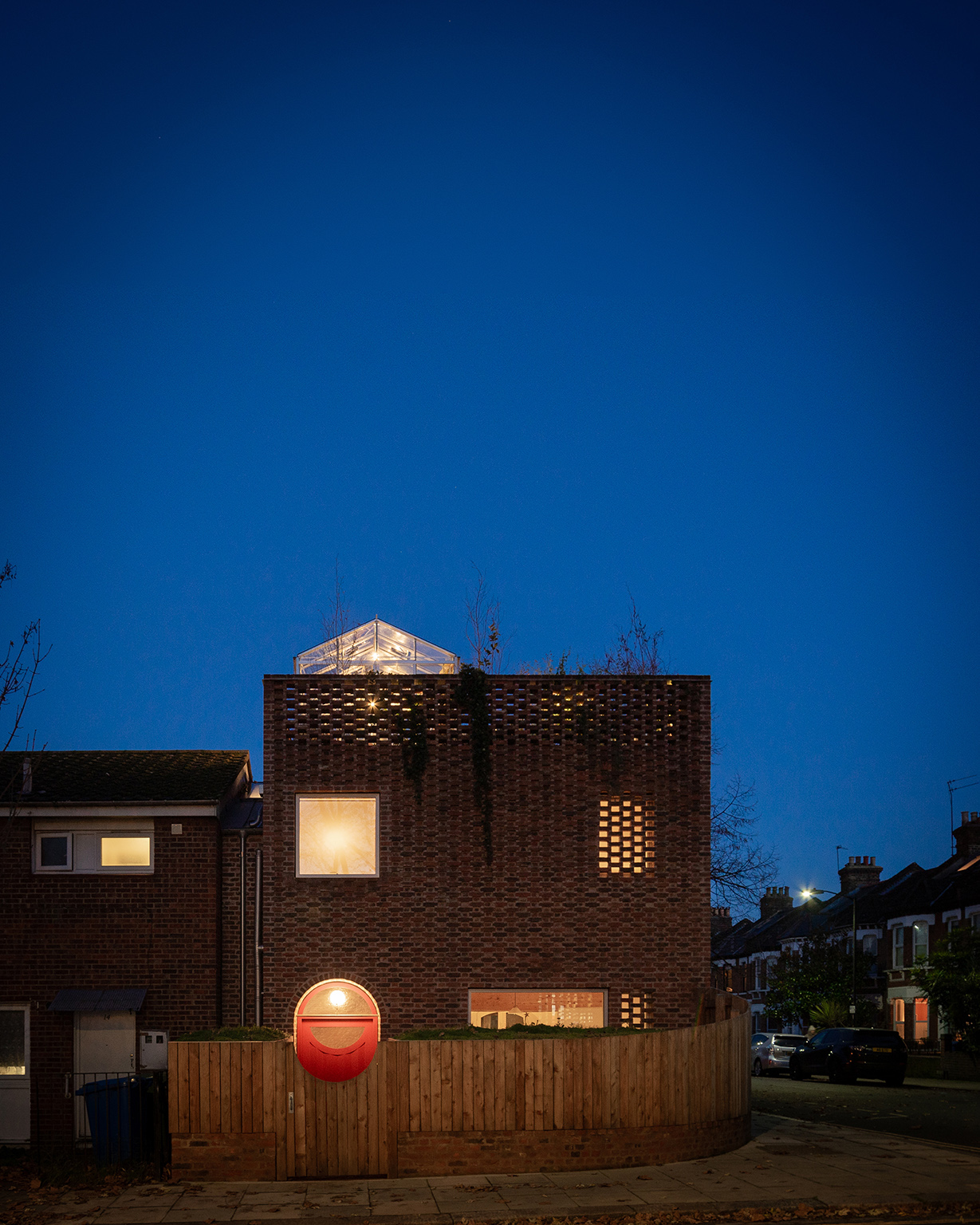
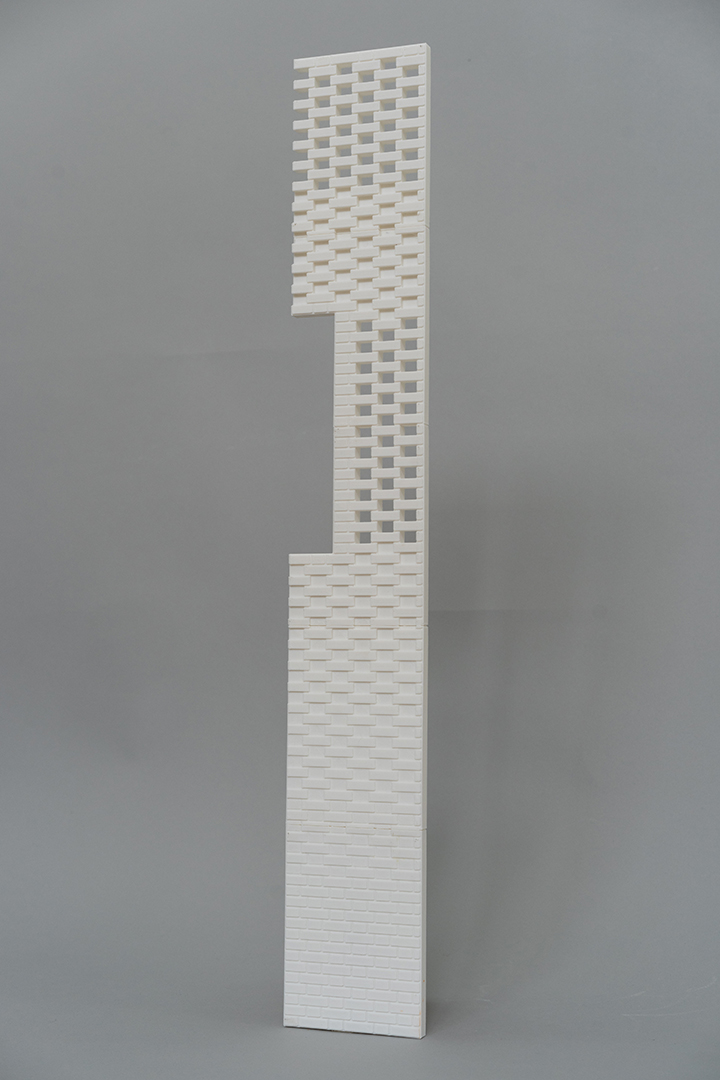
Monolithic in its form and veiled in distinctive hit-and-miss brickwork, the house is both robust and finely crafted, referencing and playfully subverting the motifs of Peckham’s eclectic context.
In plan, the house aligns with the existing terrace, creating a front garden and a shaded rear courtyard-type garden. Its form, however, departs from the established double-pitched roofline. Conceived as a monolithic cuboid with a flat roof, it bookends the corner site, with its parapet aligned to the ridgeline of the adjacent terrace.
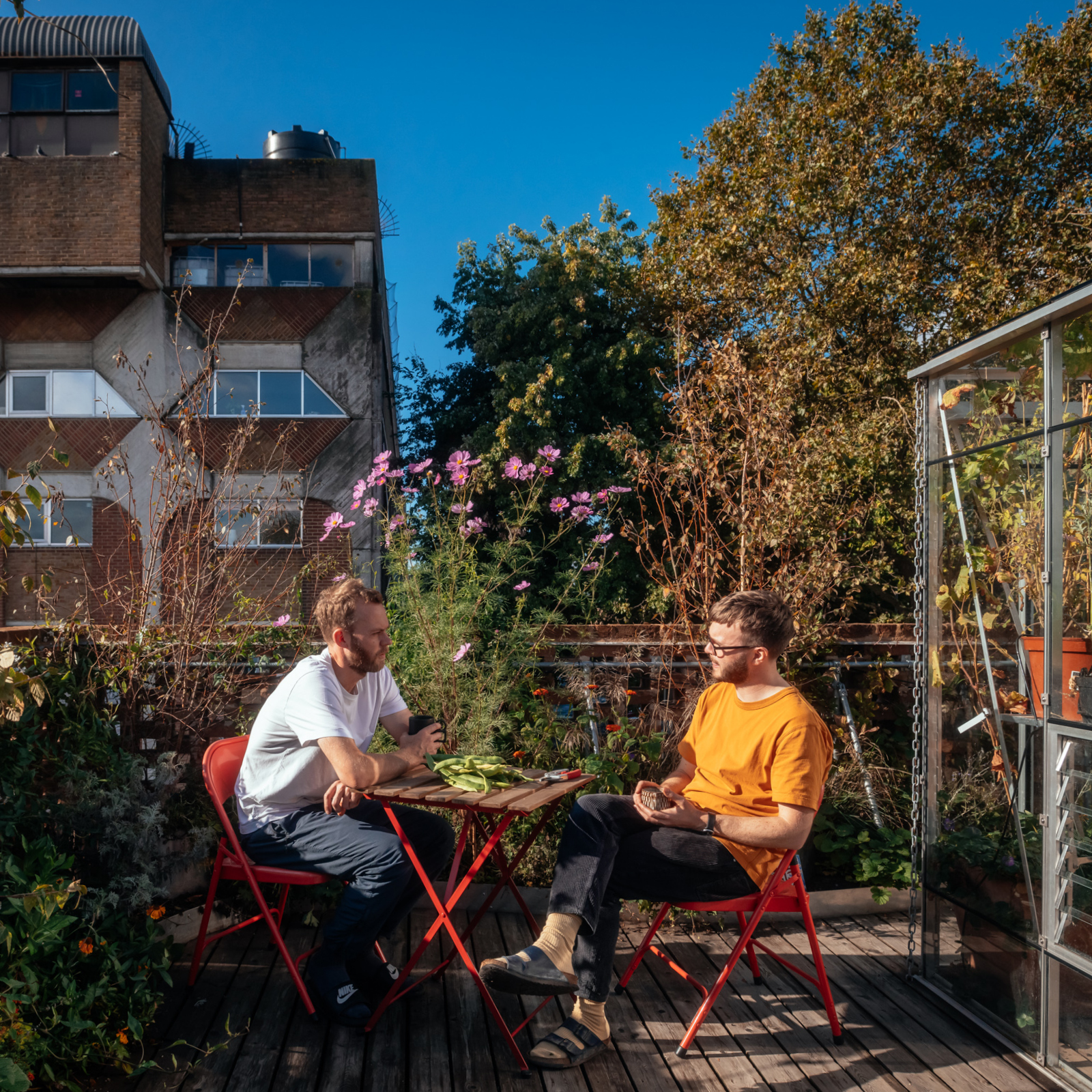
The flat roof forms a third, more secluded garden in the form of a roof terrace — an elevated space offering retreat from the intensity of the surrounding streets.
Brickwork and Façade Articulation
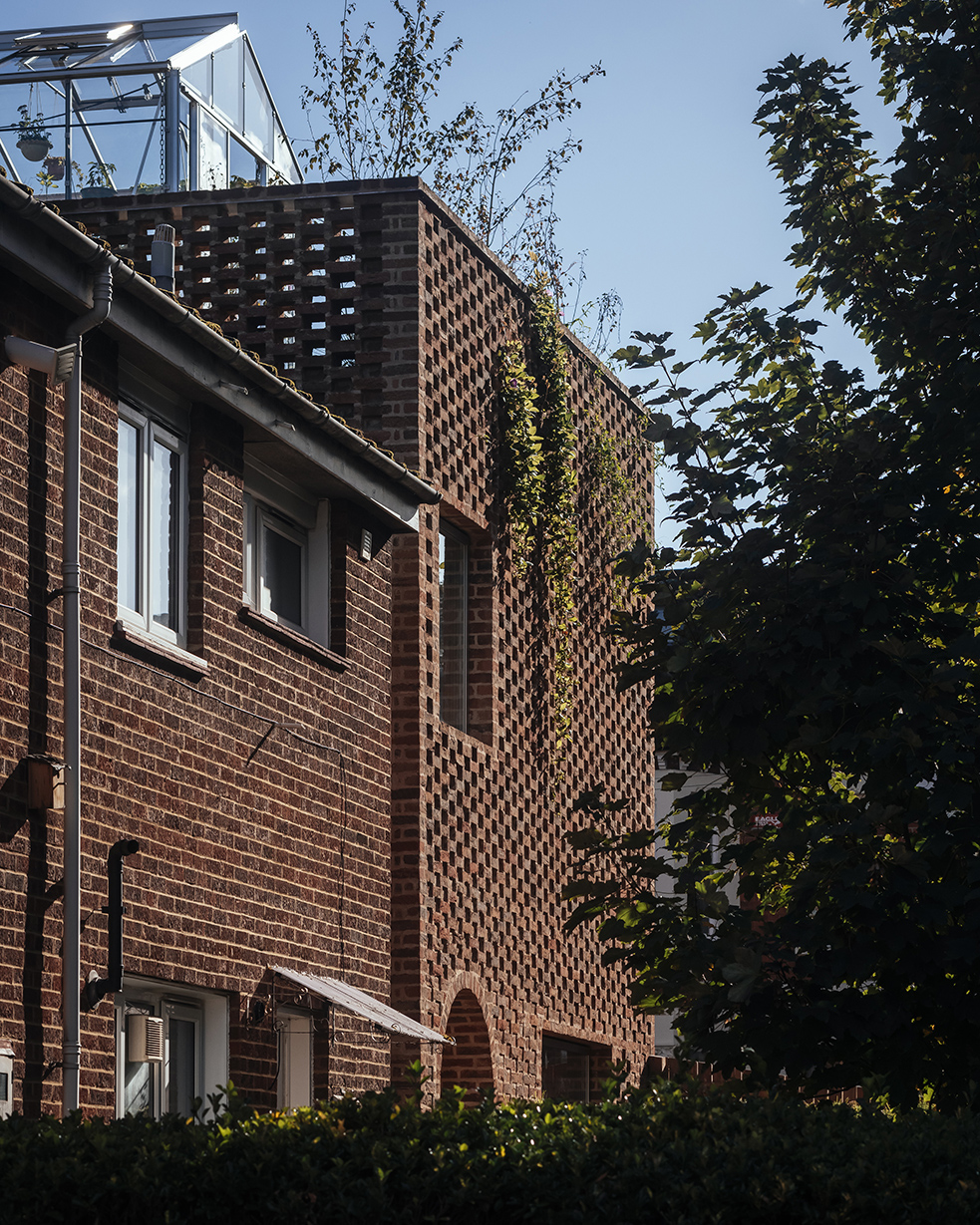
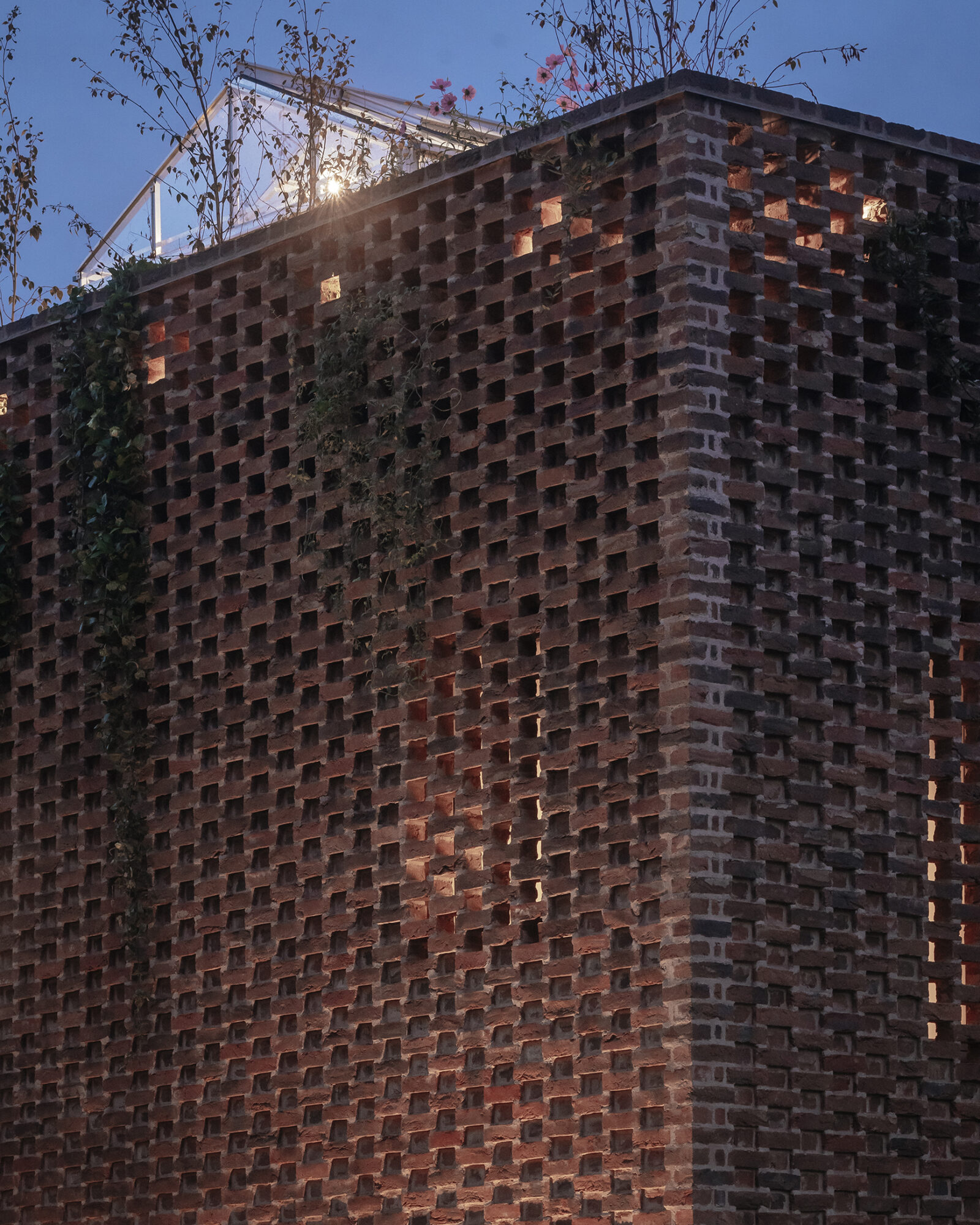
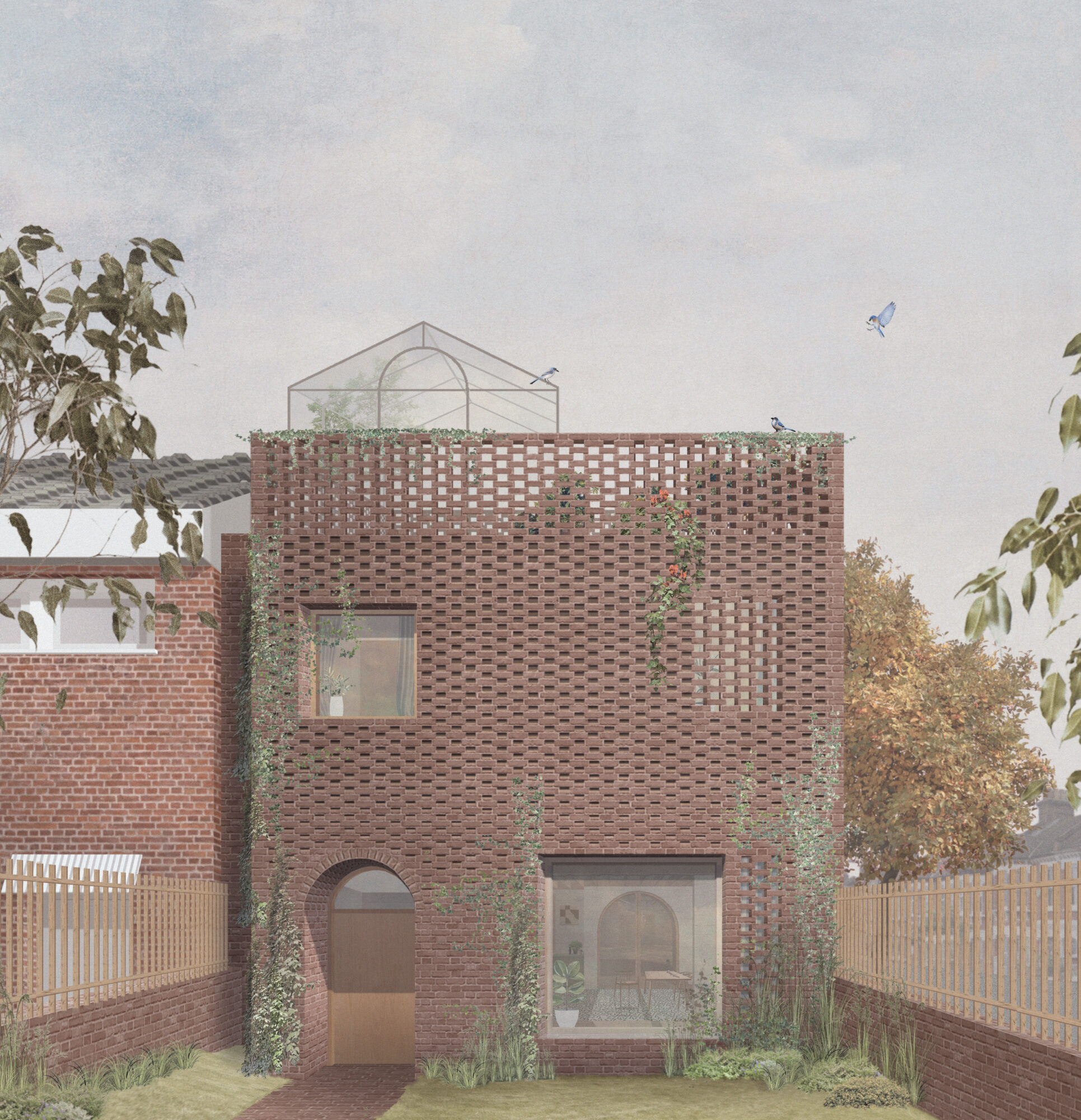
The façade draws on the language of the local area, referencing both load-bearing stock brickwork of the Victorian terrace adjacent and the machined brick infill panels of the brutalist former car park opposite. Bricks are arranged in a hit-and-miss pattern to lighten the mass of the building.
As the building rises, header bricks within the Flemish bond are progressively set back, creating a gradient of shadow. At roof level, increased openness reveals multi-stem birch trees and climbing plants, offering glimpses of the garden above.
The uniformity of the façade is further softened by self-supporting arched openings to the front and rear, relating to the nearby railway viaduct.
Internal Organisation and Material Palette
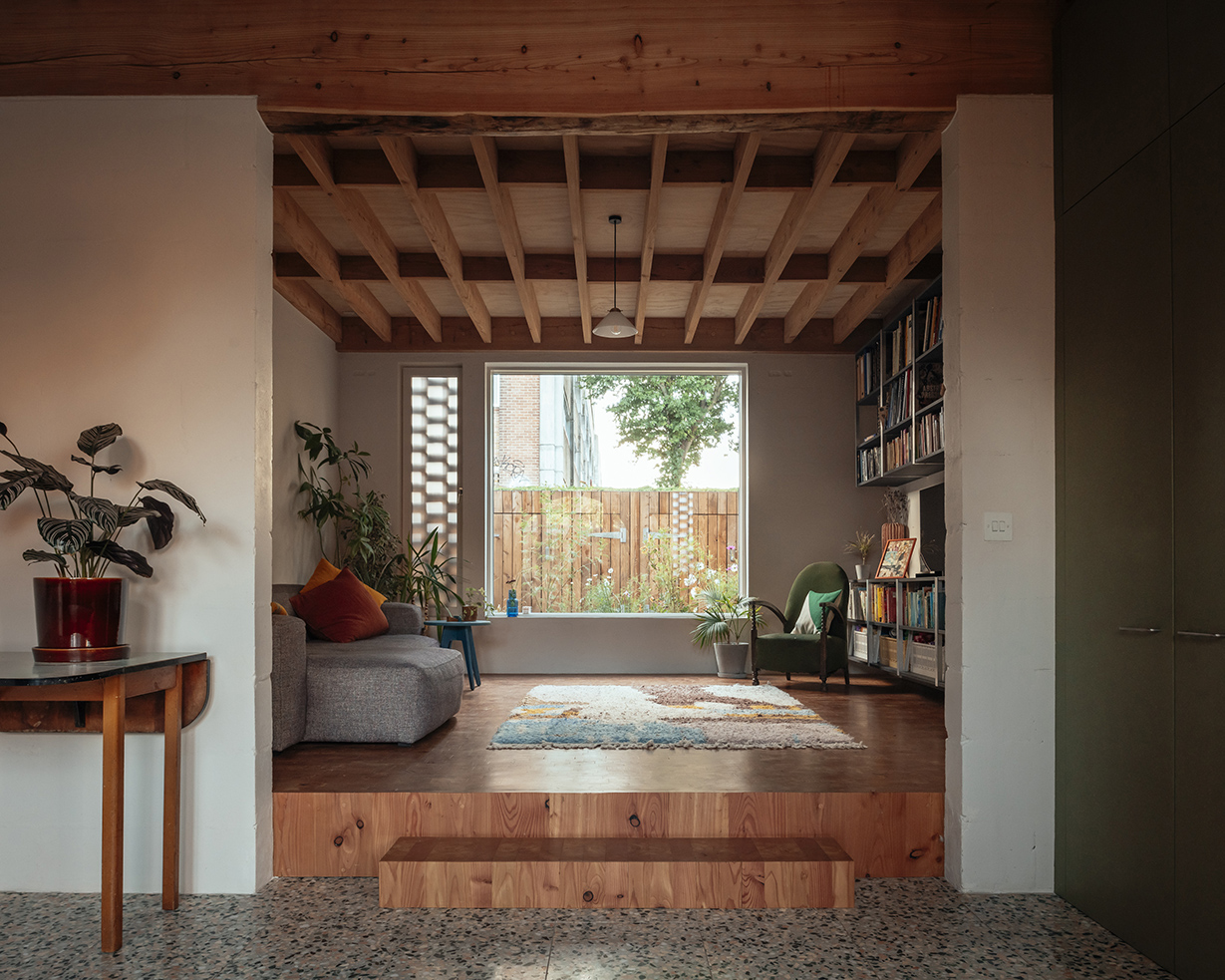
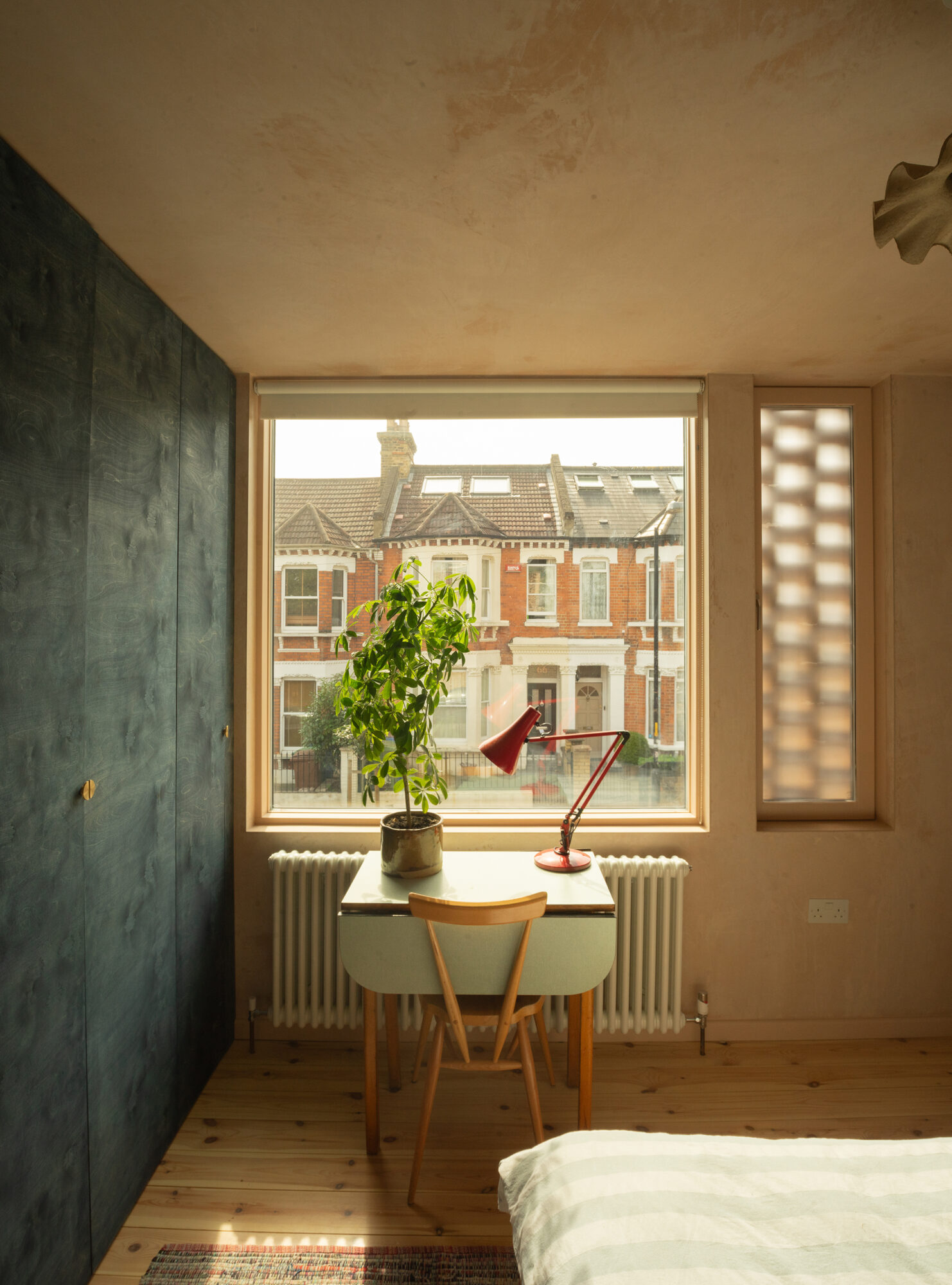
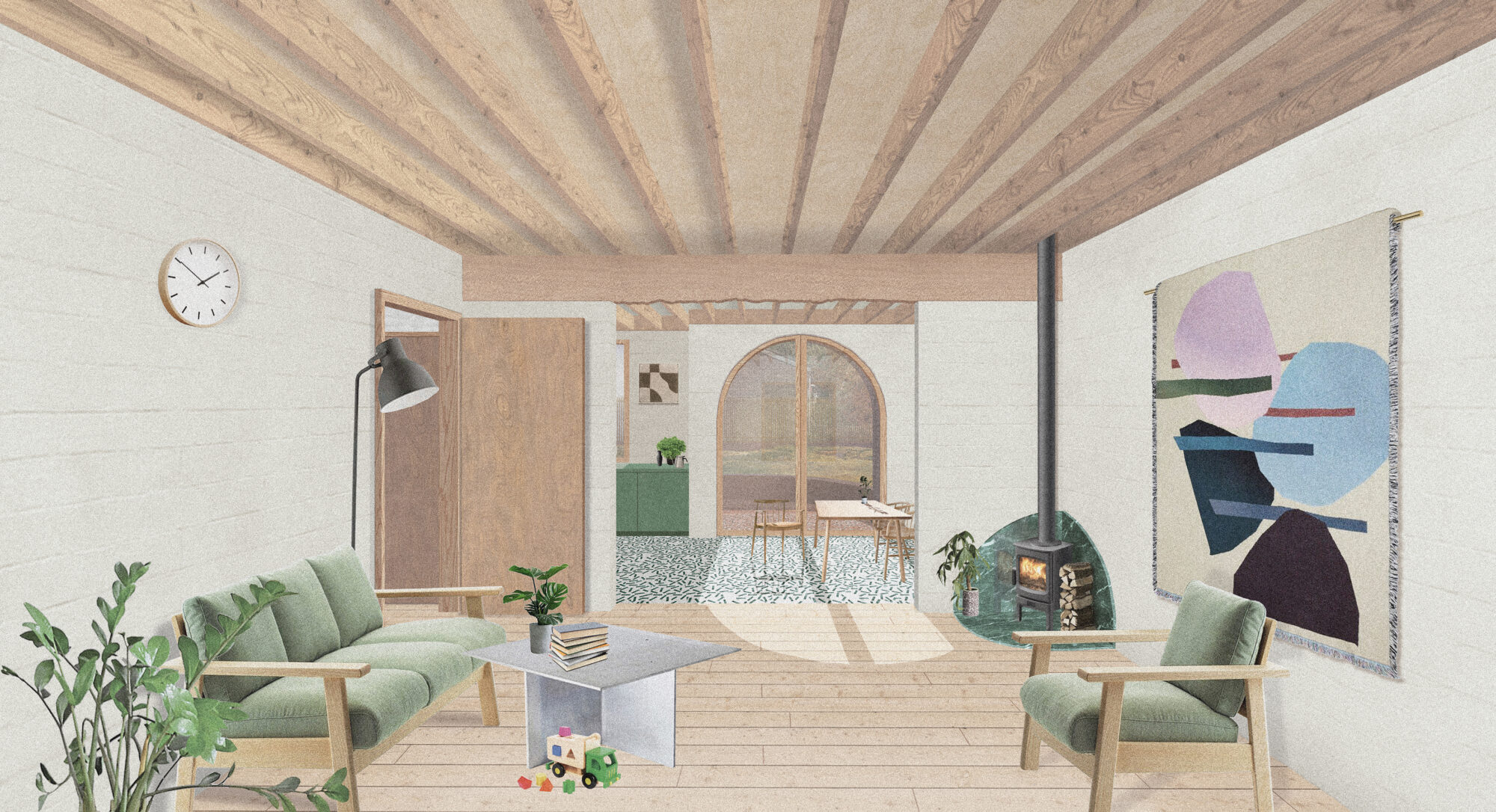
Openings and entrances are carefully placed to balance engagement with the street and privacy within. Internally, the layout follows the enfilade arrangement of a traditional terraced house, with a widened hallway and rooflights introducing daylight into the centre of the plan.
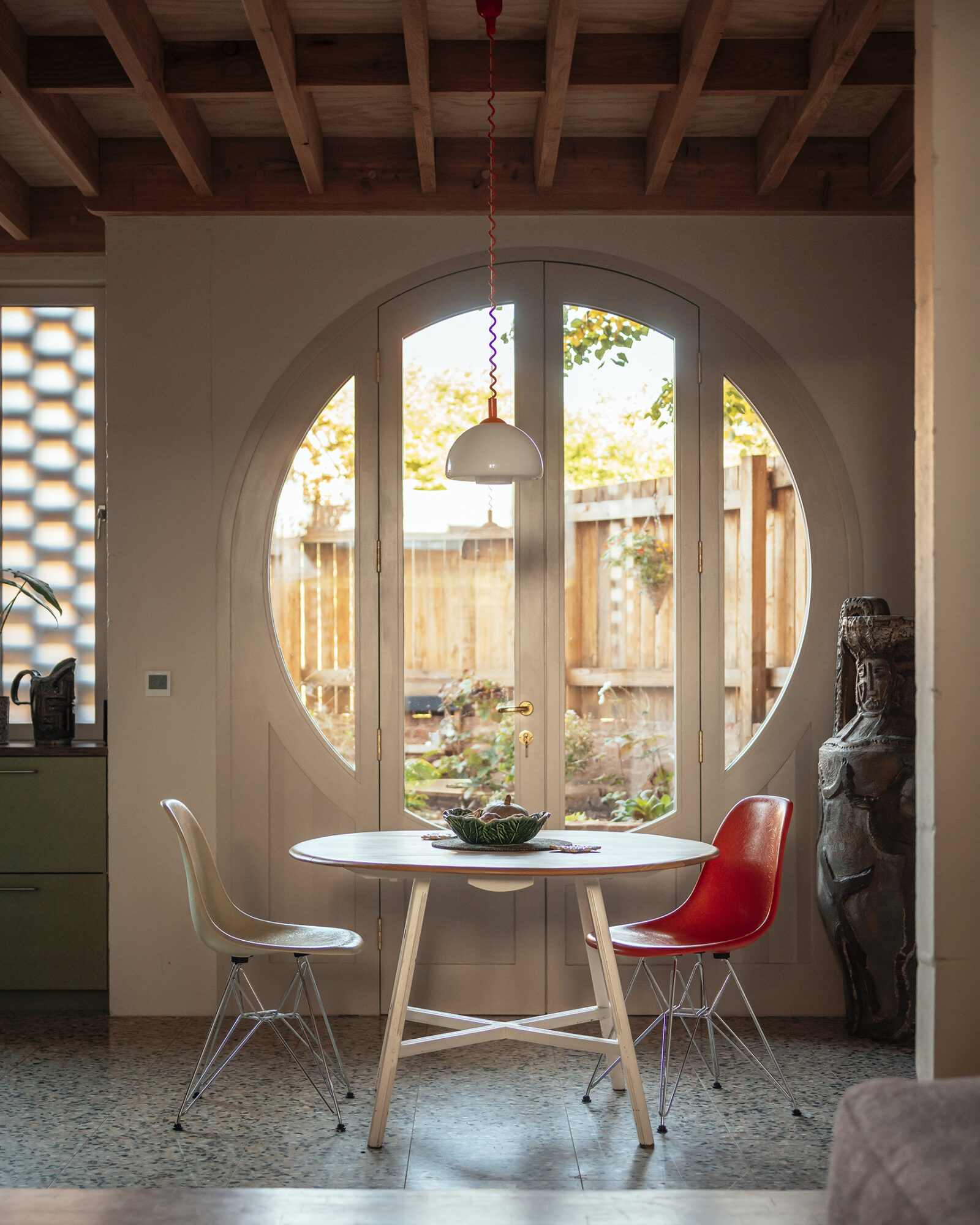
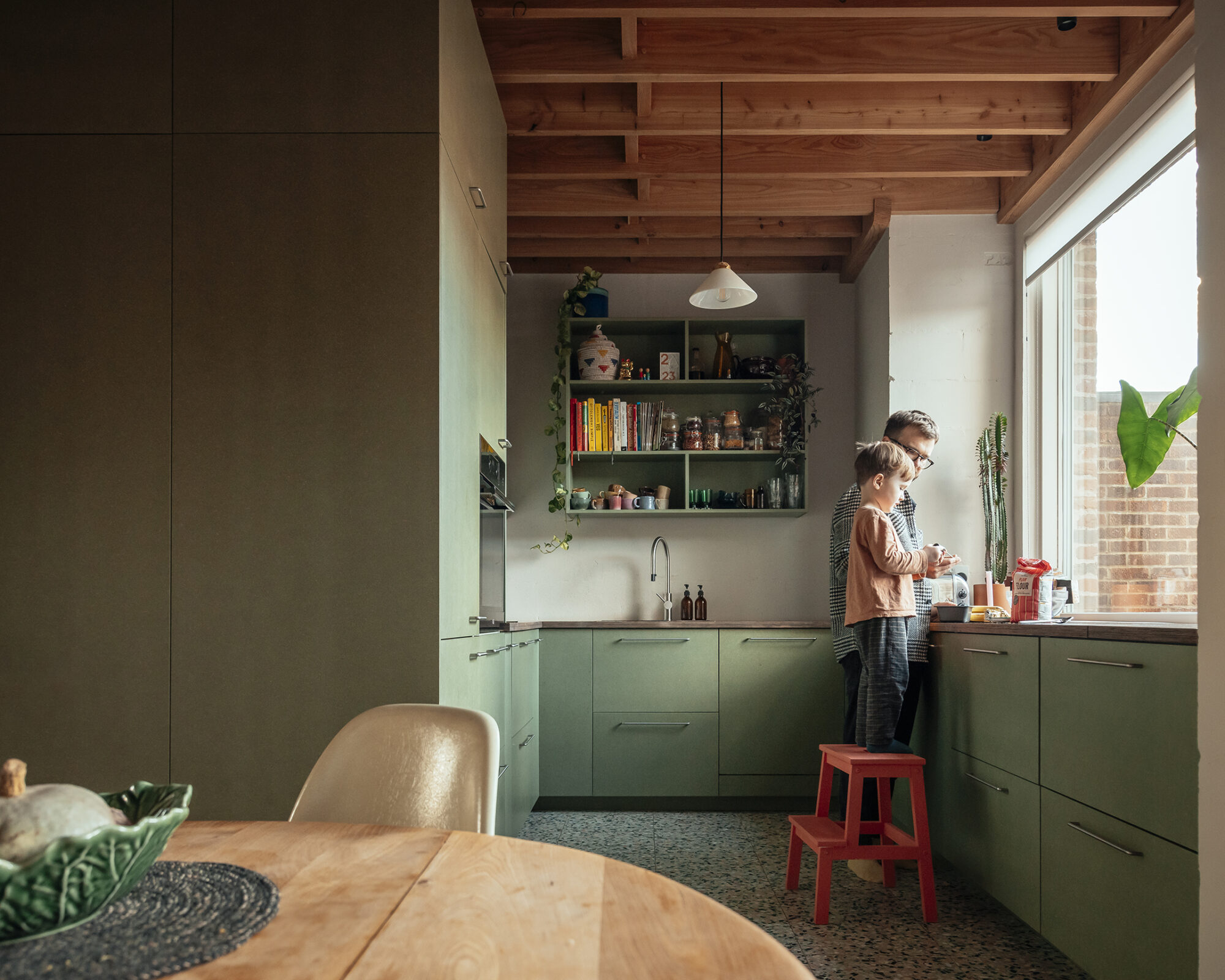
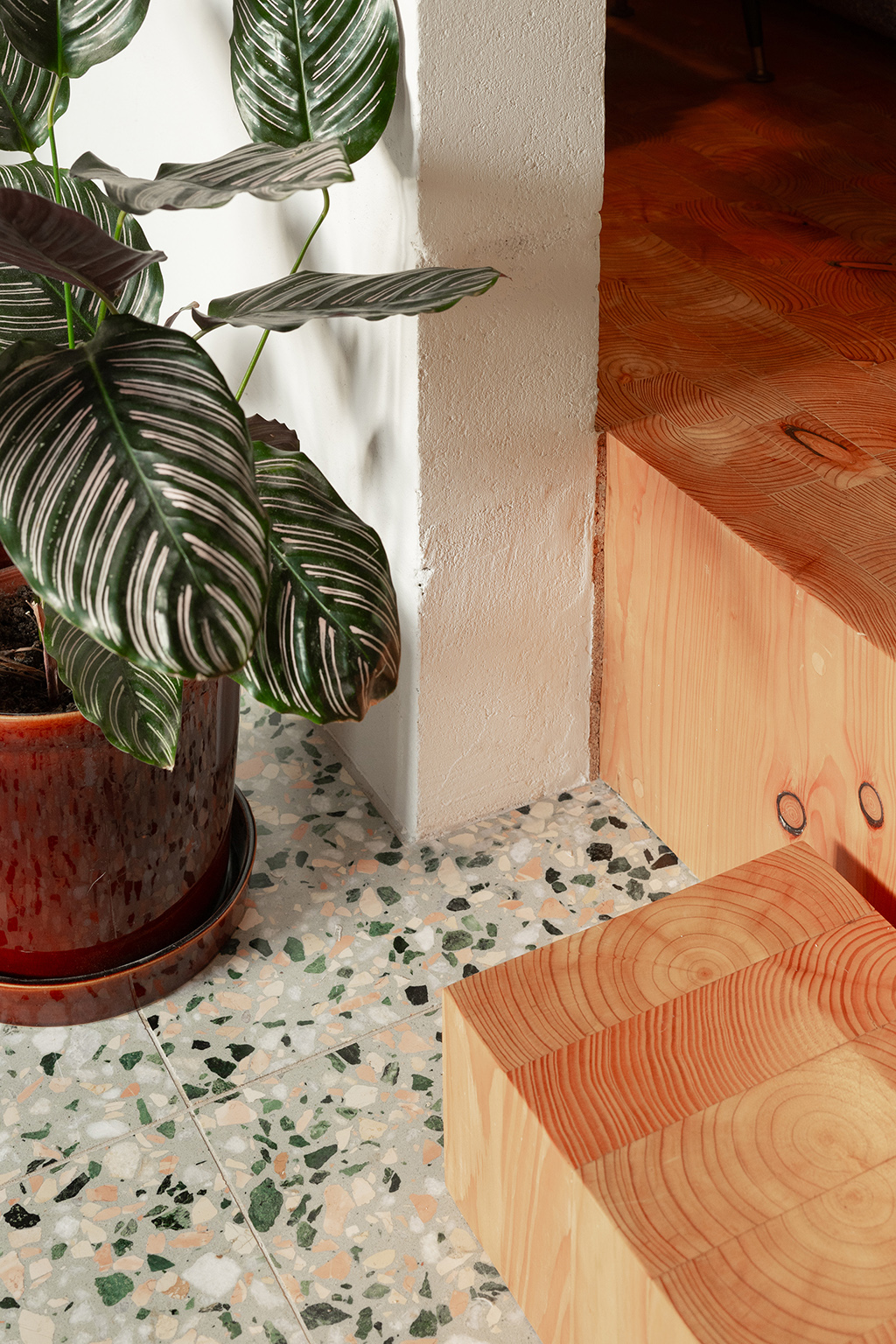
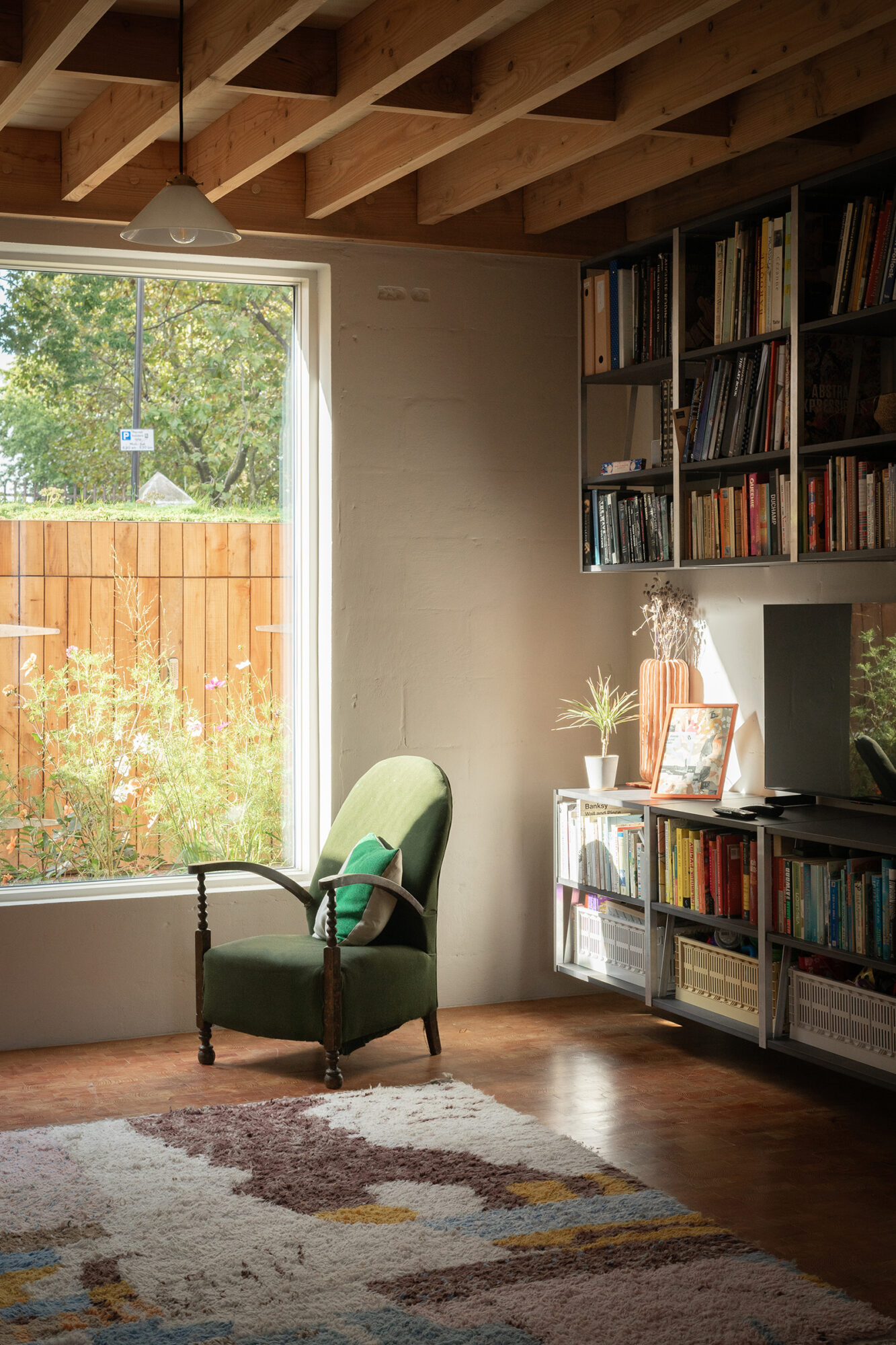
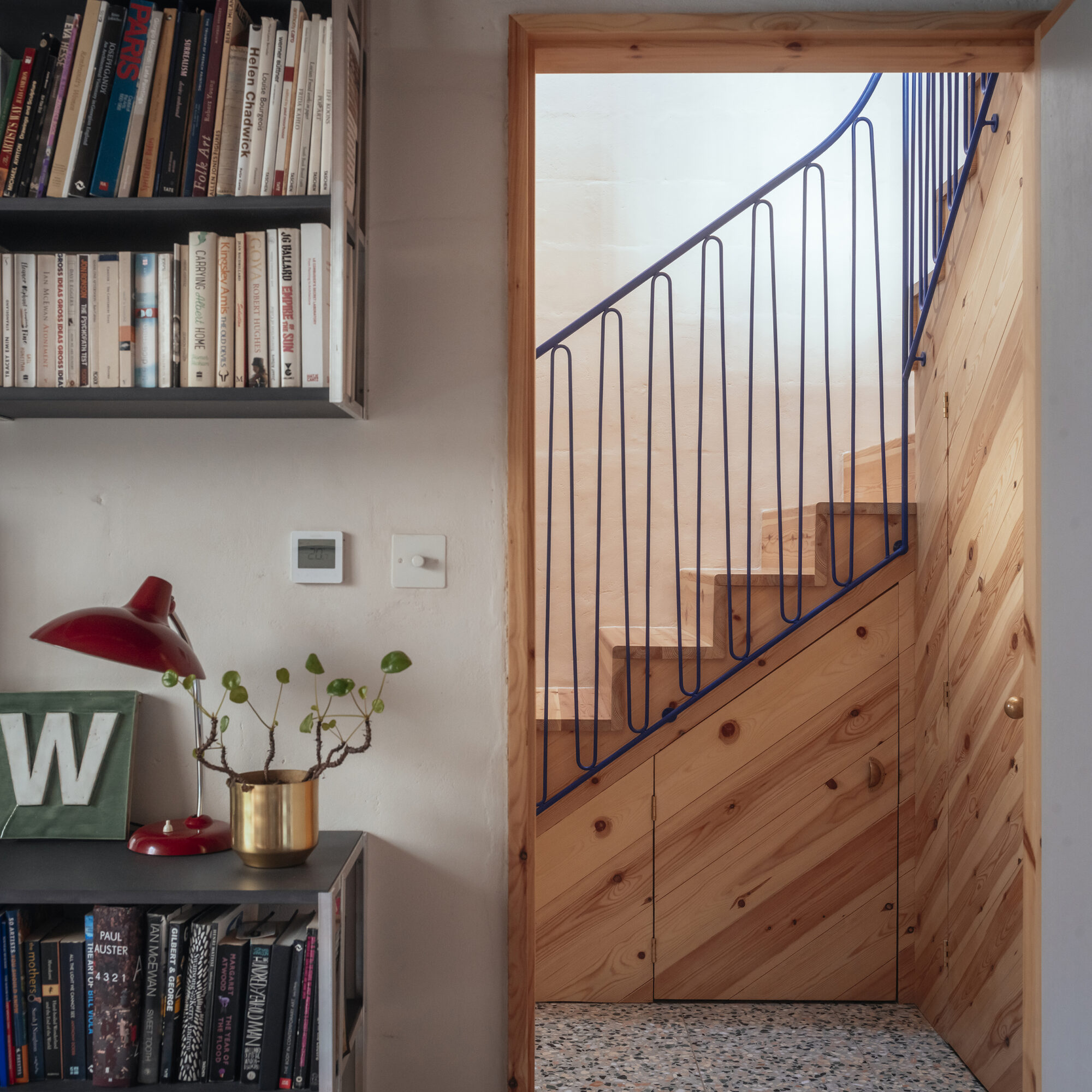
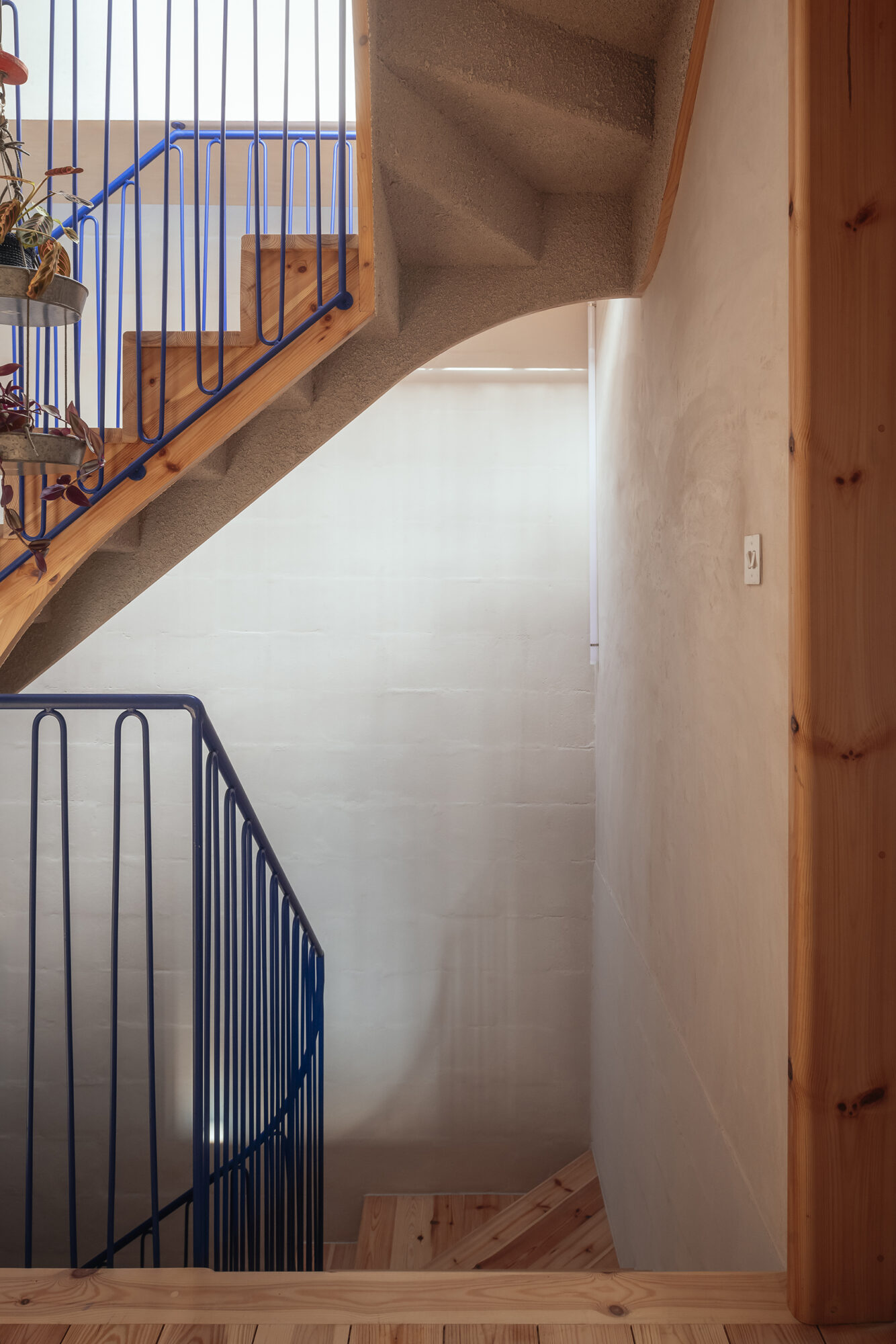
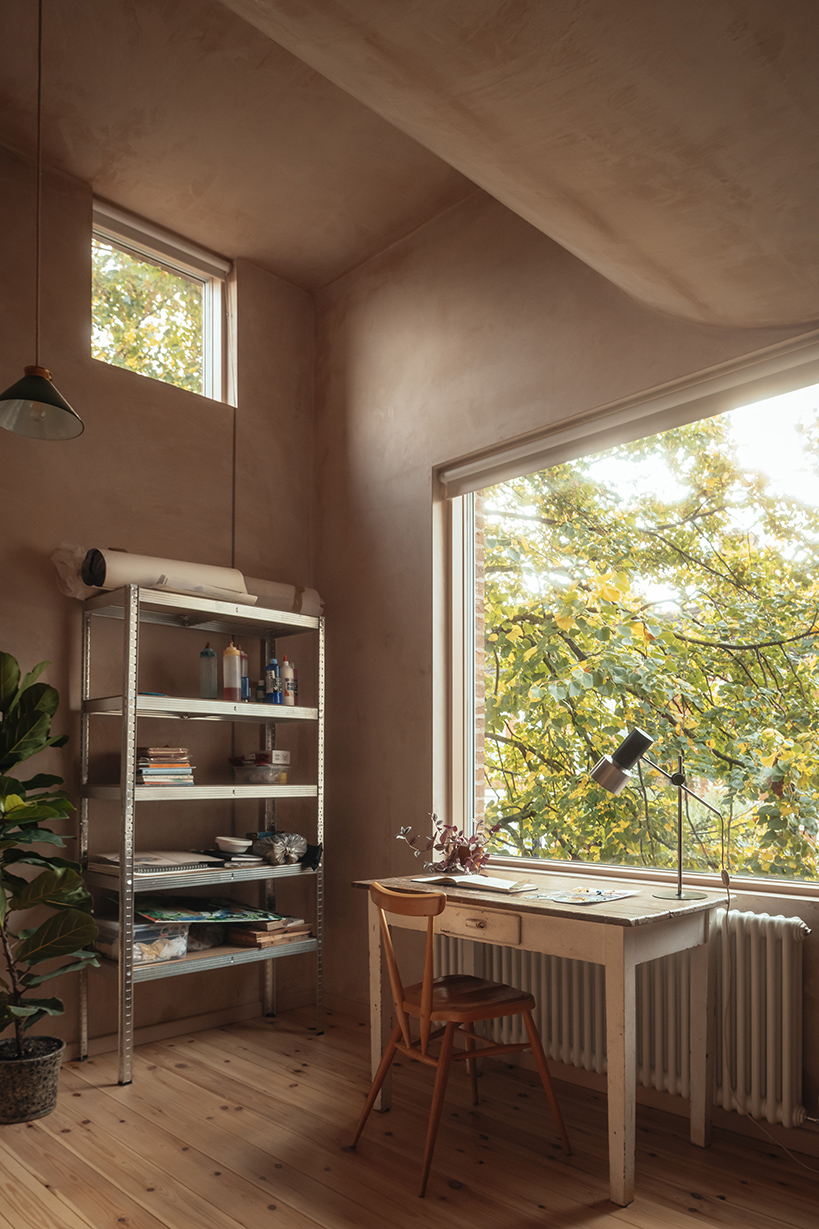
Materials and subtle level changes define different areas of the house. Terrazzo is used for the entrance and kitchen, with English larch end-grain flooring to reception spaces. Experimental lime and gypsum plaster finishes define areas within the house, adding texture and warmth.
Many materials are recycled or derived from construction processes, including blockwork made from recycled waste, end-grain flooring from off-cuts of structural timber, and brick off-cuts reused as garden paving.
Low-Carbon Design and Performance
Design decisions were guided by a commitment to reducing both embodied carbon and operational energy. Materials were sourced locally where possible, and the building incorporates a super-insulated, airtight envelope with triple glazing and mechanical ventilation with heat recovery (MVHR).
On-site energy generation is provided through photovoltaics, paired with an air source heat pump. Performance data to date exceeds LETI targets for energy use and is significantly better than Building Regulation requirements.
Craft, Construction and Self-Build
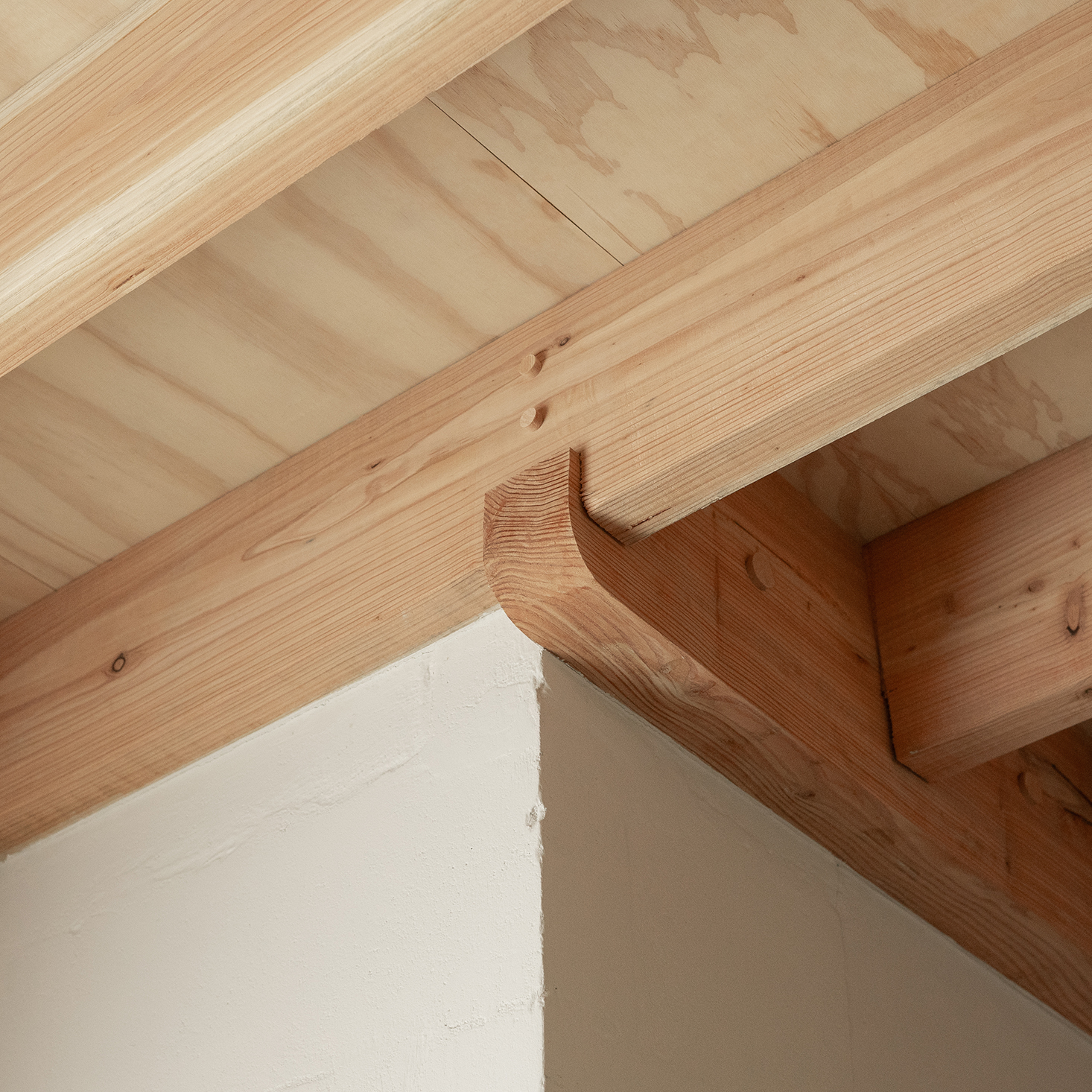
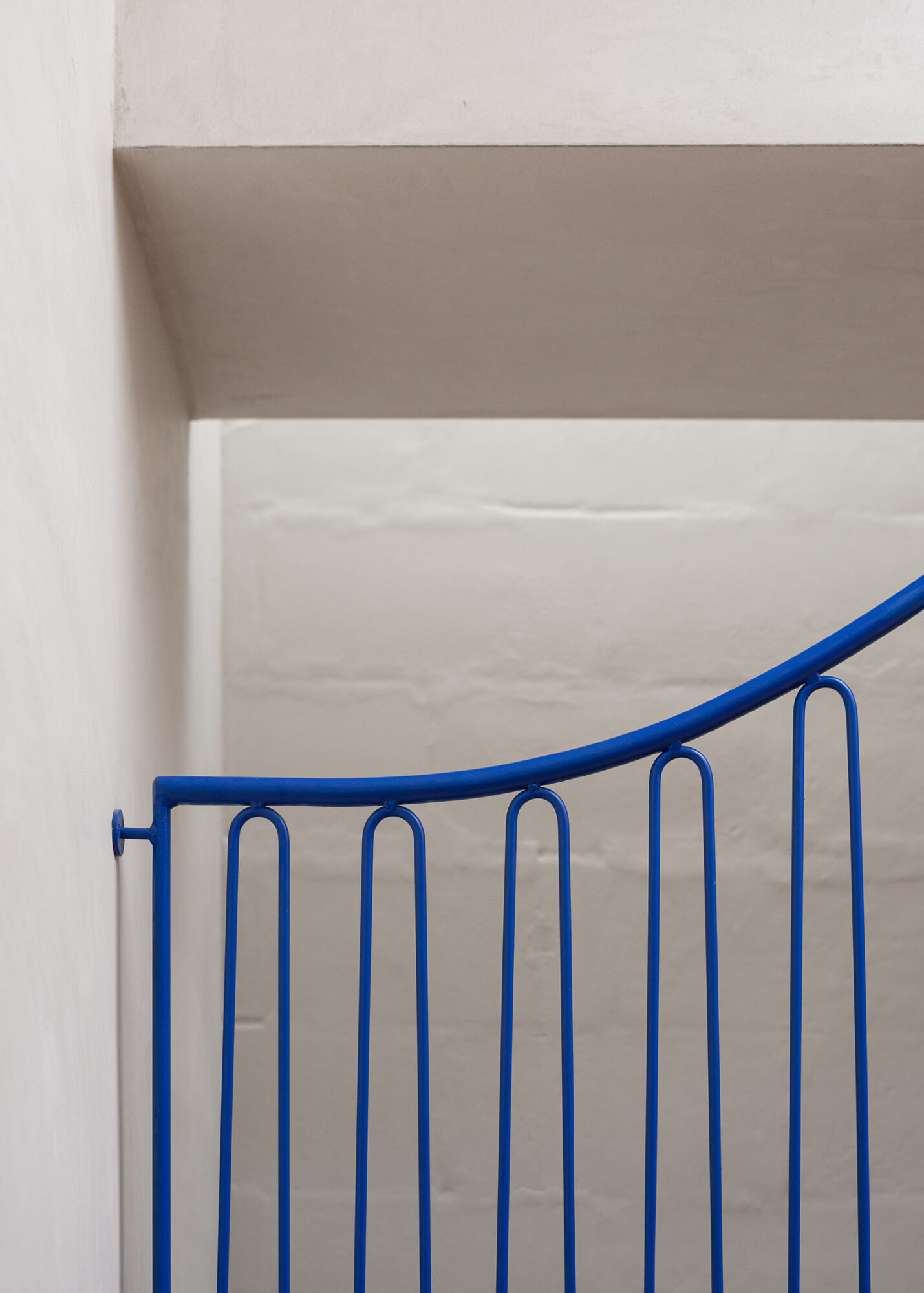
Inspired by the Victorian terrace, the interior uses simple, robust materials designed to age gracefully. Construction is expressed throughout, from exposed timber elements to crafted stair components.
Both directors were closely involved in the construction, managing the site and fabricating key elements including the timber roof structure, ceiling joists and flooring among others. This hands-on approach reinforces the relationship between design and making, giving the house a strong sense of character and authorship.
Roof Terrace and Garden
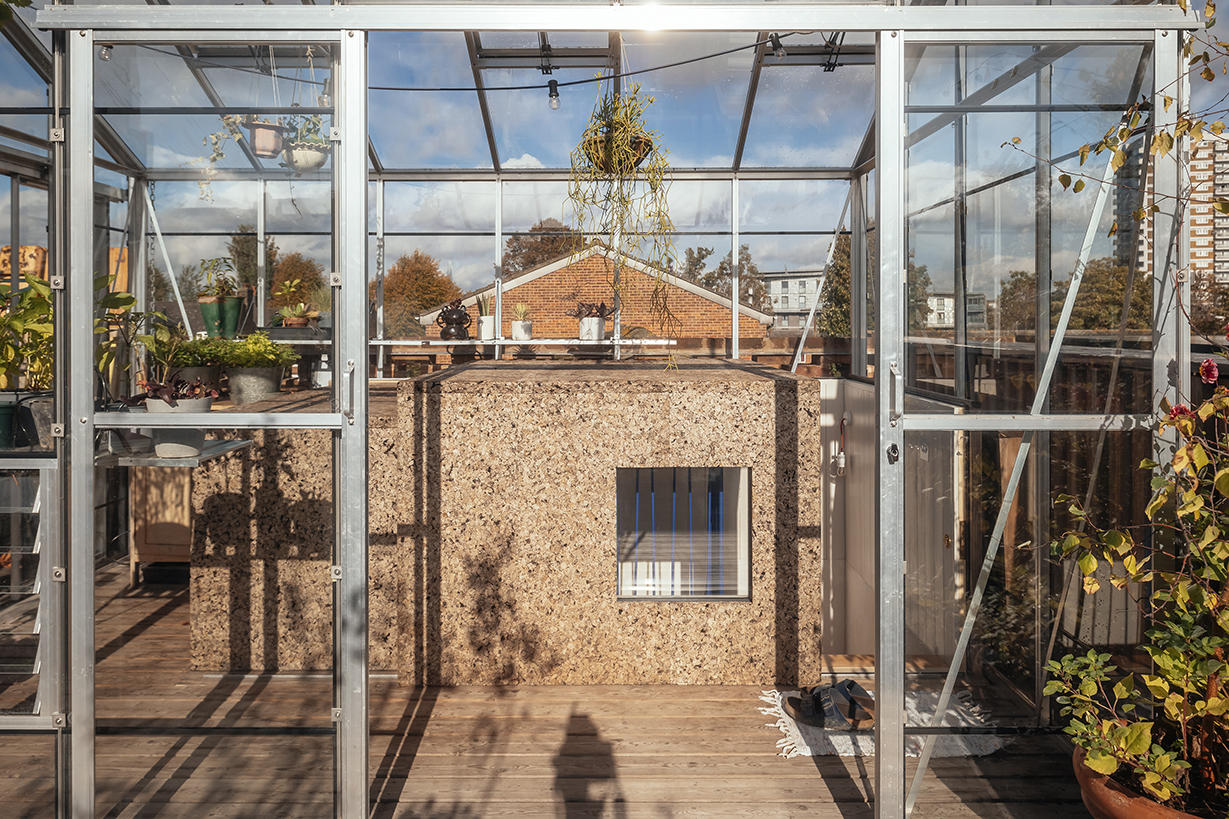
The roof terrace is accessed through a greenhouse, entered via a hatch clad in insulating cork blocks. This intermediate space functions as a winter garden, potting shed and dining area.
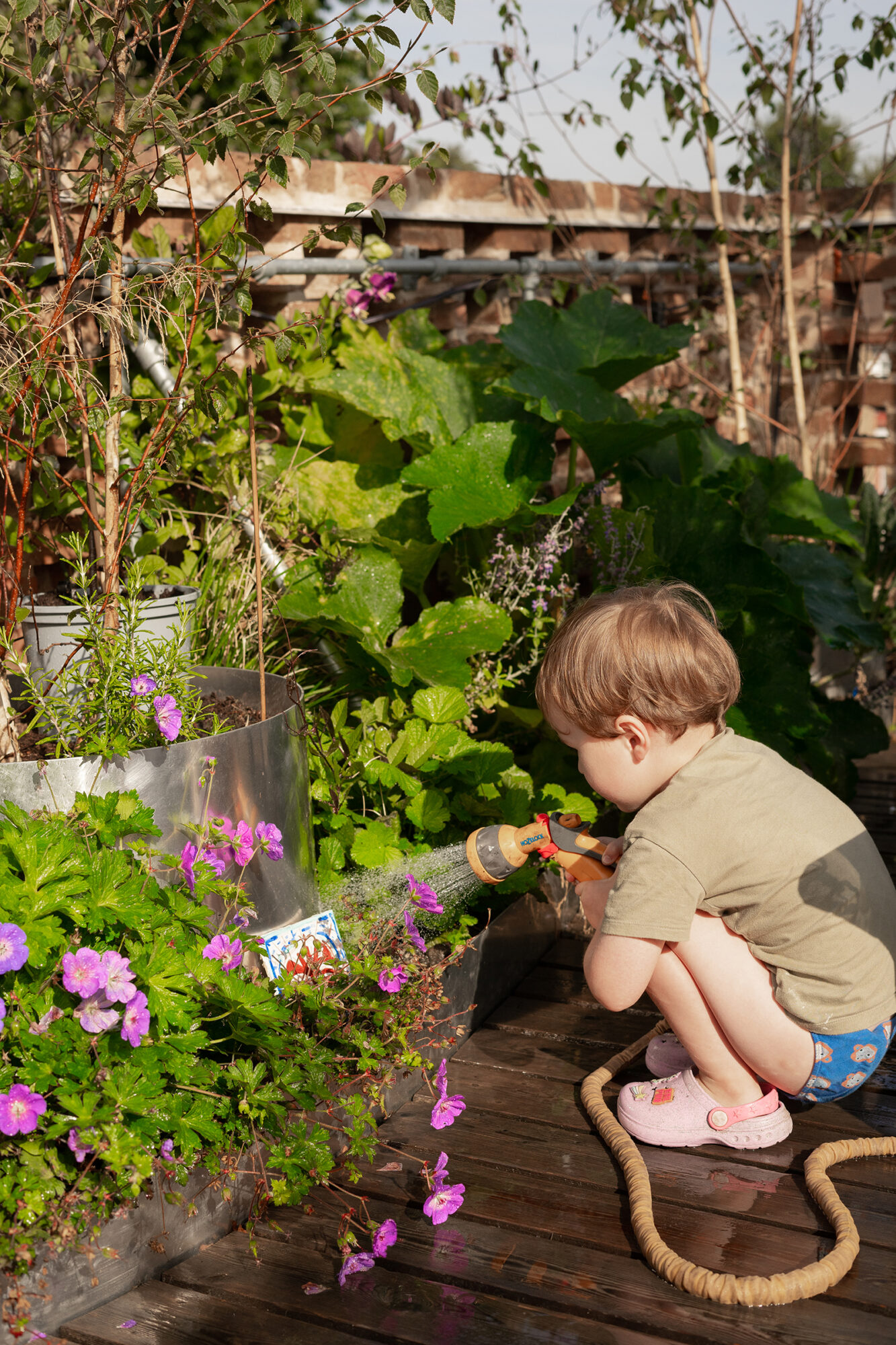
Beyond, the terrace is defined by deep planting beds and a sedum roof, enhancing biodiversity and creating a lush, elevated garden — a quiet retreat above the city.